


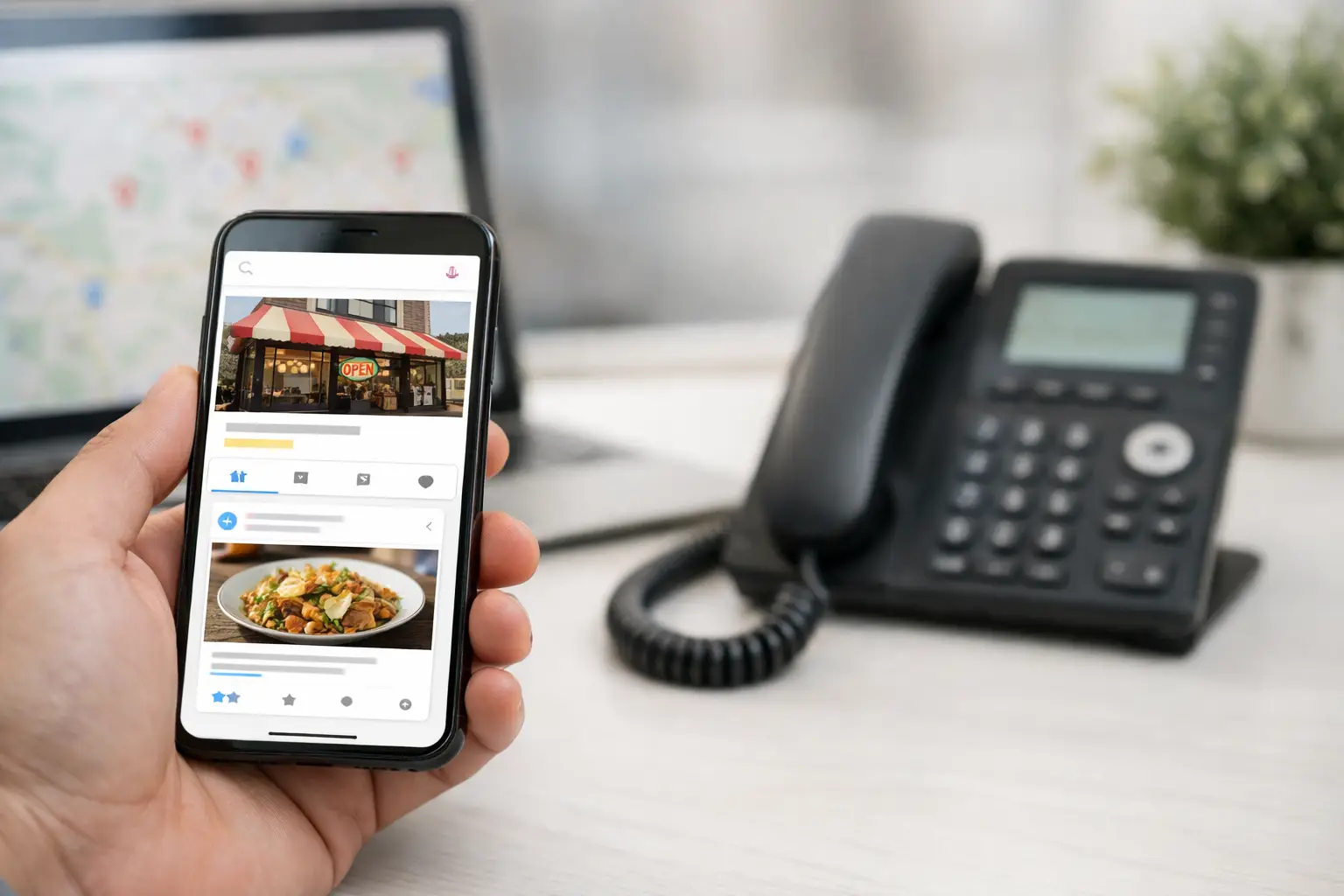
A homeowner searching for an emergency plumber or a commercial roofer is not looking for a brand story. They are looking for a business that appears active, credible, nearby, and ready to help. Google Business Profile posts give local businesses one more way to answer that question directly in Google Search and Maps.
For service businesses in Shreveport-Bossier, Tyler, Longview, and surrounding East Texas markets, the value is practical. A strong post can reinforce a current offer, show recent work, explain a service, or move a potential customer toward a call, booking, or quote request. It will not replace a well-built website, positive reviews, accurate business information, or local SEO. But when those fundamentals are in place, posts can support the conversion work that turns visibility into leads.
What Google Business Profile Posts Actually Do
Google Business Profile posts are short updates published directly to a verified business listing. Depending on the post type available in your profile, you may be able to share updates, offers, events, photos, and a call to action such as calling, booking, ordering, or learning more.
Think of them as sales-supporting content for people who are already close to taking action. Someone may find your listing through a branded search, a Maps result, or a local service search. Before they choose a competitor, they may scan your reviews, photos, services, hours, and recent activity. A relevant post can provide one more reason to contact you now.
That is different from treating posts as a shortcut to higher rankings. Google does not present them as a primary local ranking factor, and businesses should be cautious about anyone promising that weekly posting will push them to the top of the Map Pack. Rankings still depend heavily on relevance, distance, prominence, website signals, reviews, and the quality of your overall profile.
The business case for posting is conversion and trust. An active, useful profile can make it easier for a prospect to understand what you do, where you work, and what the next step should be.
Which Google Business Profile Posts Work Best
The best post is not necessarily the most polished. It is the one that matches a real customer question or a real business priority. A roofing company trying to fill its inspection schedule needs different content than a dental office promoting new-patient availability.
Service-focused updates
Service updates work well because they remove uncertainty. A plumber can explain same-day repair availability. An HVAC contractor can highlight seasonal maintenance. A law firm can clarify the types of cases it accepts. A healthcare practice can introduce a specific treatment or appointment option.
Keep the message focused on one service and one outcome. Rather than writing, “We provide comprehensive, quality-driven solutions,” say what the customer can expect: “Schedule an AC tune-up before summer heat puts extra strain on your system.” Specific language creates a clearer path to action.
Offers with a real deadline
Offers can generate urgency, but only when they are legitimate and easy to understand. A seasonal inspection special, a new-customer discount, or a limited-time service package can work well. The offer should include the terms a customer needs to know, including the end date, eligibility, and any restrictions.
Avoid creating a discount just to have something to post. For professional services and higher-ticket home services, a useful offer may be a consultation, inspection, financing discussion, or priority scheduling window rather than a reduced price. Protecting margin matters. The goal is profitable lead generation, not activity for its own sake.
Recent work and proof of capability
Photos from completed projects, before-and-after images, team members at work, and examples of real results can be persuasive. They give prospects evidence that your business is active and experienced.
Use photos you own and that accurately represent the job. A landscaping company might share a finished outdoor renovation. A roofing contractor could show a completed replacement project. A dental office can share office upgrades or team photos while protecting patient privacy. Brief captions should explain the work, the location at a city or neighborhood level when appropriate, and the service provided.
Timely local updates
Posts are especially useful when conditions affect customer demand. A freeze warning can create an opportunity for a plumbing company to share prevention steps and emergency availability. Severe weather can justify a roofing company update about inspections and documentation. Holiday schedules, expanded hours, new office locations, and community events also make sense when they matter to customers.
Timeliness should never become opportunism. During storm events or emergencies, clear, factual information earns more trust than exaggerated claims or fear-based language.
A Simple Structure That Gets to the Point
Most local business owners do not need a complex content calendar to use posts effectively. They need a repeatable framework that prevents vague copy and keeps the offer tied to a business goal.
Start with the customer need. Then name the relevant service, state the benefit or next step, and use a direct call to action. For example: “Noticed warm rooms or weak airflow? Our Tyler HVAC team provides AC diagnostics and repair for homeowners who need answers fast. Call today to schedule service.”
The post should be easy to understand in a quick scan. Lead with the message, not an introduction about your company. Use a clean, relevant image where it adds proof or context. Do not fill the copy with hashtags, repeated keywords, all caps, or generic claims that could apply to any competitor.
If a post directs users to a page on your website, send them to the most relevant page available. A post about roof inspections should not lead to a generic homepage if a dedicated roof inspection page exists. The page should make the next step simple on a mobile phone, with a prominent phone number, clear form, and service area details.
Posting Frequency Depends on Your Capacity
Consistency helps, but daily posting is rarely necessary for a local service business. One to four purposeful posts per month is often more valuable than frequent, low-quality updates. The right frequency depends on your seasonality, service mix, active promotions, staffing capacity, and ability to respond to new leads.
A business with frequent promotions, classes, events, or changing inventory may have more to share. A law firm or contractor may post less often but focus on useful service updates, case-type information, credentials, and completed work. The standard is not volume. The standard is whether each post supports a customer decision or a measurable marketing objective.
Set a realistic process. Gather job photos from the field, note upcoming seasonal priorities, identify one current service or offer, and create posts in batches. This is far more sustainable than scrambling to publish something every week.
Measure More Than Views
Google Business Profile performance should be judged by business outcomes, not just impressions. Views can show that a post received exposure, but they do not tell you whether it produced profitable work.
Track the actions that matter: calls, website visits, booking clicks, direction requests, form submissions, and ultimately booked jobs or consultations. If you use tracking on your website, label traffic from your profile so you can see what happens after someone clicks. Your front office or intake team should also ask new leads how they found you, because not every phone call will be attributed perfectly.
Look for patterns over time. A seasonal HVAC maintenance post may bring fewer clicks than an emergency repair message but produce more profitable planned-service appointments. An offer may generate plenty of inquiries but low-quality price shoppers. That does not mean posting failed. It means the message, offer, audience, or follow-up process needs adjustment.
This is where local marketing becomes a numbers conversation. If a post supports 10 additional leads but only one becomes a customer, review response time, call handling, service area fit, and pricing expectations before deciding the channel is the problem.
Common Mistakes That Limit Results
Many businesses publish posts that are technically correct but commercially weak. The most common issue is writing about the company instead of the customer. “We are proud to announce” has a place for major news, but it rarely motivates a customer with an urgent need.
Another mistake is publishing a post with no clear action. If someone is interested, should they call, request an estimate, book an appointment, or visit a service page? Make the choice obvious.
Finally, do not let posting distract from larger profile issues. Incomplete services, wrong hours, unanswered reviews, duplicate listings, weak photos, or an outdated website can reduce trust far more than a missing update. Google Business Profile management works best as part of a larger local visibility strategy that connects Maps optimization, reviews, website conversion, and lead tracking.
A useful post gives a nearby customer a reason to choose you while they are deciding. Keep the message specific, make the next step easy, and measure whether that activity produces the calls and booked work your business actually needs.